
Watering Your Lawn: Best Practices
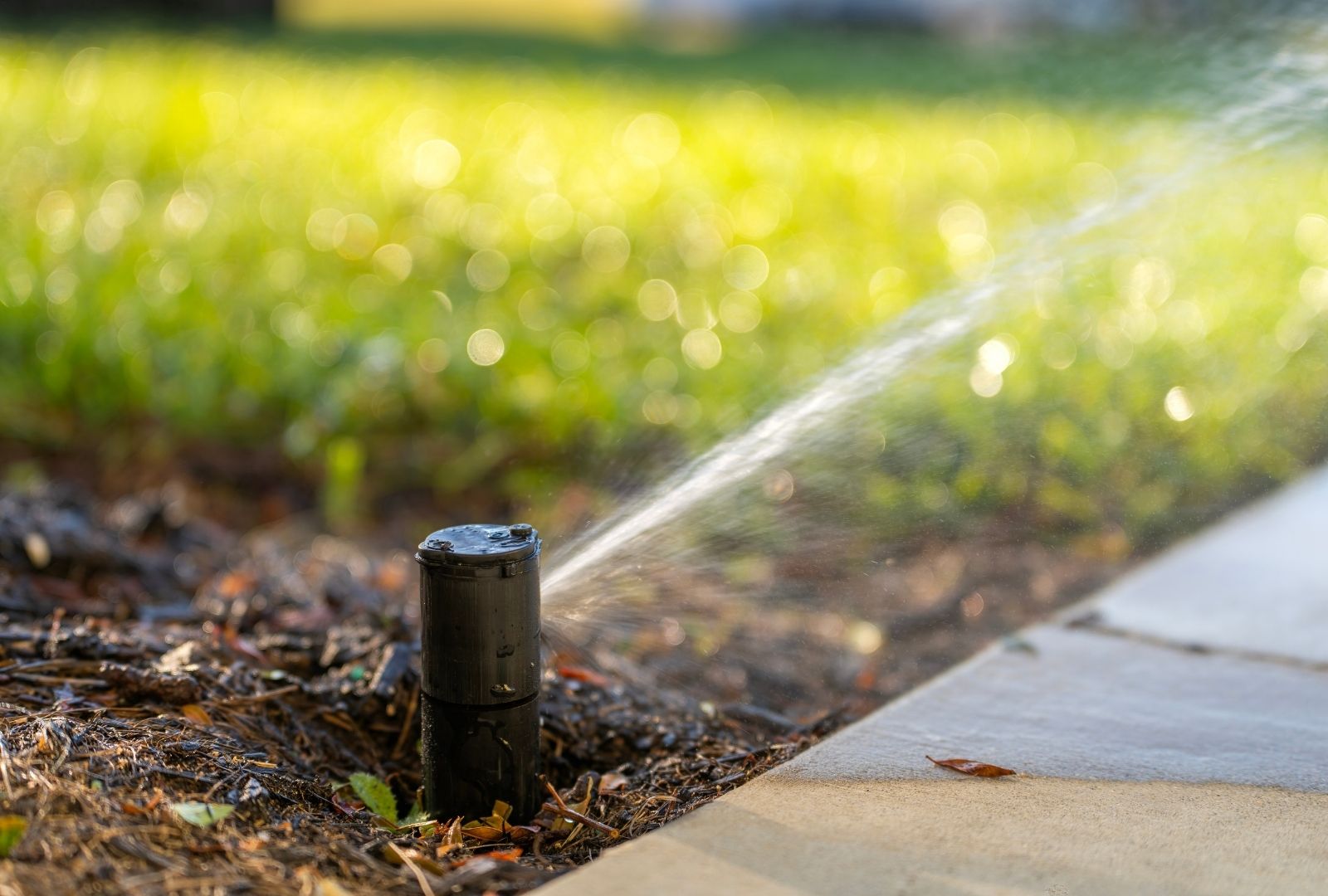
Watering seems simple, but doing it wrong can actually harm your lawn more than it helps. Discover the optimal watering techniques for a lush, drought-resistant yard.
Water Deeply and Infrequently
Frequent, shallow watering encourages shallow roots, making your lawn more susceptible to drought and disease. Aim for 1 to 1.5 inches of water per week, delivered in one or two deep soakings.
Building Resilience
By watering deeply, you train your grass roots to grow further down into the soil. Deep roots can access moisture that remains trapped lower in the earth during dry spells.
- The Tuna Can Test: Place empty tuna cans around your lawn to measure how long it takes your sprinklers to deliver 1 inch of water.
- Deep Roots: Infrequent watering trains the roots to grow deeper in search of moisture.
"Watering every day for 10 minutes is a recipe for disaster. You want to water for longer periods, less often, to build a resilient root system."
The Best Time to Water
Early morning (between 4 AM and 8 AM) is the optimal time.
Avoiding Disease
Watering in the evening leaves the grass blades wet overnight, which creates the perfect breeding ground for fungal diseases. Morning watering allows the sun to dry the blades quickly.
- Less Evaporation: The sun isn't hot enough yet to evaporate the water before it soaks in.
- Disease Prevention: The grass has time to dry before nightfall, reducing the risk of fungal diseases.
Signs of Drought Stress
If your grass turns a dull grayish-blue color or if footprints remain visible long after you walk across the lawn, it's time to water. Don't wait for it to turn completely brown!