
Choosing the Right Mulch
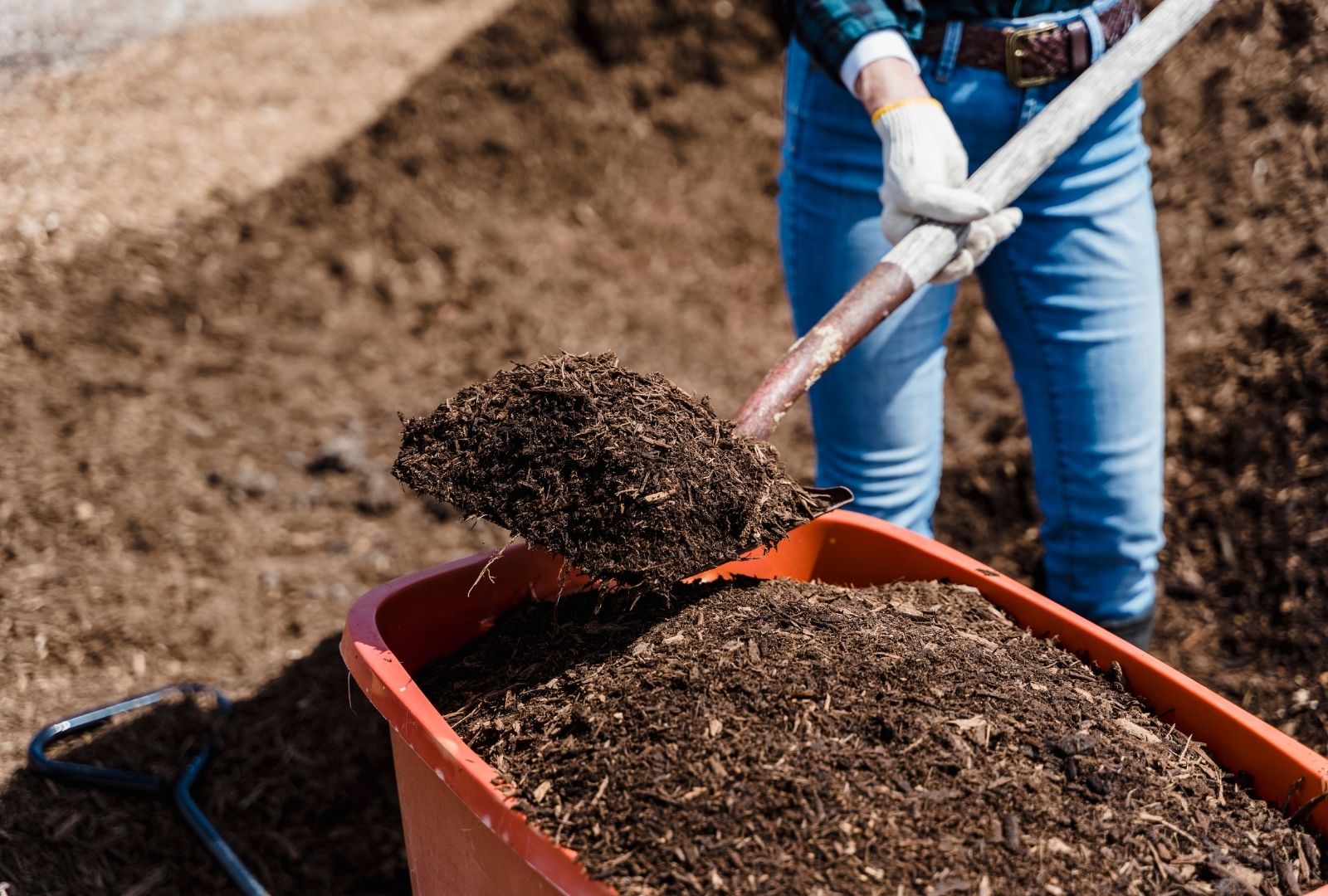
Mulch is the finishing touch on any landscape project. But with so many options available, how do you choose the right one for your specific beds and plants?
Why Mulch is Important
Mulch isn't just for aesthetics. It retains soil moisture, regulates soil temperature, suppresses weeds, and adds organic matter to the soil as it breaks down. A good layer of mulch can reduce your watering needs by up to 50%.
The Hidden Benefits
Beyond looking great, mulch acts as an insulating blanket for your plants' roots. It keeps them cool during the scorching summer days and warm during unexpected cold snaps.
"The right mulch does more than look good—it creates a micro-environment that protects plant roots from extreme heat and cold."
Bark Mulch (Hardwood & Cedar)
One of the most popular choices. It looks natural, breaks down slowly, and is great for trees, shrubs, and perennial beds.
Best Uses for Bark
Bark mulch is ideal for garden beds that contain a mix of shrubs and robust perennials. Its natural look blends seamlessly with most landscape designs.
- Pros: Adds nutrients to the soil, interlocks well on slopes, beautiful natural colors.
- Cons: Needs to be refreshed annually as it fades and decomposes.
Wood Chips
Excellent for pathways and play areas. They take longer to break down than shredded bark.
- Pros: Very durable, great for high-traffic areas, cost-effective.
- Cons: Can deplete nitrogen from the soil if mixed in, not ideal for delicate annuals.
Stone and Gravel
Best for areas requiring good drainage or where you don't want to replace mulch annually.
- Pros: Permanent solution, excellent for fire pits and modern landscapes, won't wash away.
- Cons: Radiates heat in summer, provides no soil nutrients, hard to clean leaves out of.