The Benefits of Core Aeration
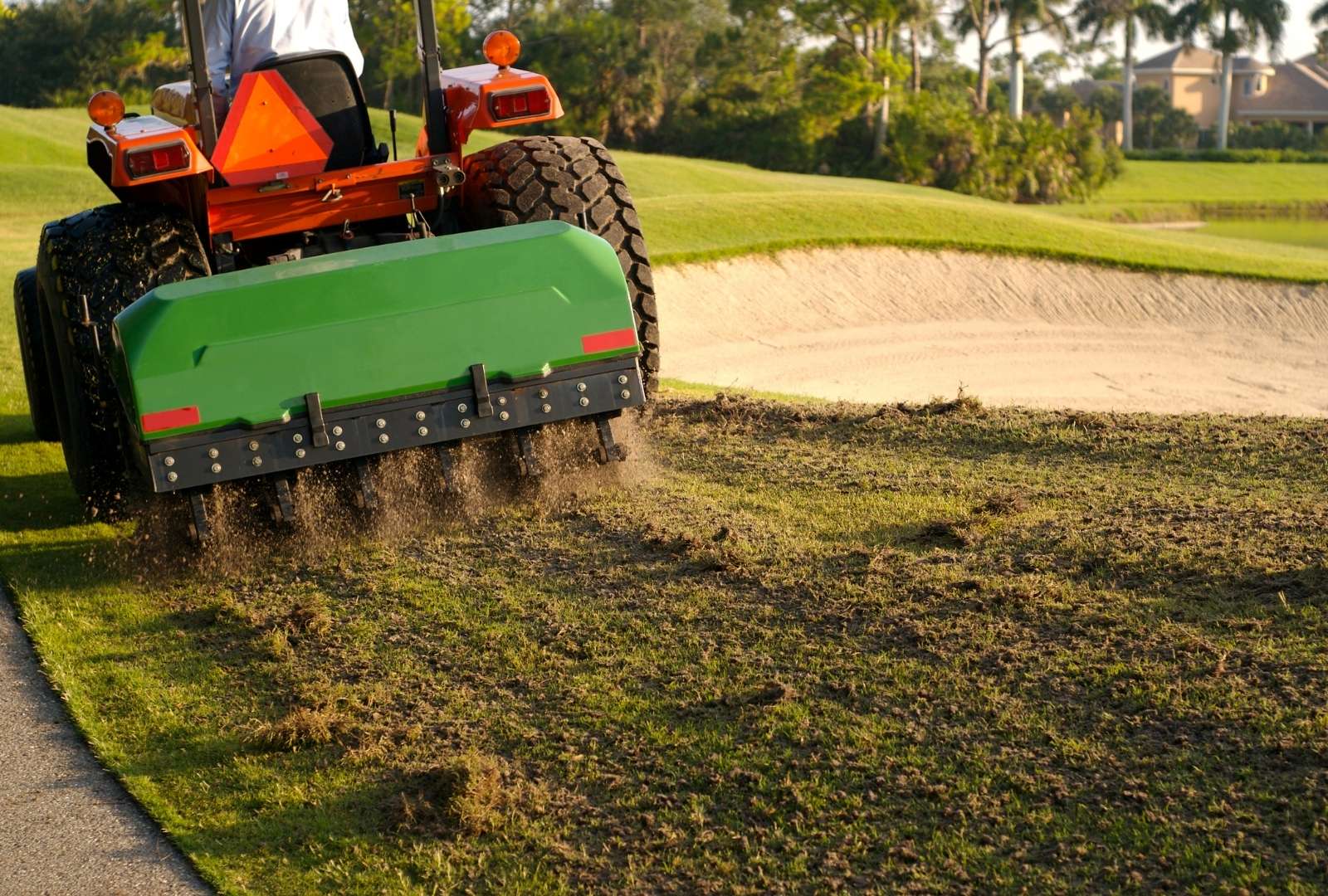
If your lawn is looking thin, brown, or struggles to absorb water, soil compaction might be the culprit. Core aeration is the secret weapon of professional landscapers.
What is Core Aeration?
Core aeration involves removing small plugs of thatch and soil from the lawn to improve natural soil aeration. It's one of the best things you can do for a struggling lawn, especially in areas with heavy clay soils.
The Aeration Process
Using specialized equipment, we extract small cores of soil, typically 2-3 inches deep. This process relieves soil compaction and creates channels for air, water, and nutrients to reach the root zone.
- Plugs are left to decompose: They naturally break down and return nutrients to the soil.
- Best done in early fall or spring: When grass is actively growing and can recover quickly.
"Think of aeration as letting your lawn take a deep breath. It opens up the soil structure so roots can finally stretch out and access the nutrients they need."
Signs You Need Aeration
Not sure if your lawn needs to be aerated? Look for these common symptoms:
Identifying Compaction
Soil compaction often occurs in high-traffic areas or newly constructed homes where the topsoil was stripped away. Pay attention to how your lawn reacts to rain and foot traffic.
- Water puddling: Rainwater pools on the surface instead of soaking in.
- Hard soil: You can't easily stick a screwdriver into the ground.
- Heavy foot traffic: Areas where kids or pets frequently run are highly compacted.
Improves Water and Nutrient Uptake
With open channels in the soil, water and fertilizer can penetrate deeper rather than running off the surface. This means you waste less water and get more value out of every fertilizer application.